Source Matte Moisturizing Waterproof Lip Paste for Daily Use
Find 30 listings for matte moisturizing waterproof lip paste suitable for daily makeup, special events, and travel. Buyers can compare specifications like volume, ingredient type, and customization options across multiple models including LG170 and P6.
Key considerations
Products List




Comprehensive Sourcing Guide
Strategic Sourcing Guide for Matte Moisturizing Waterproof Lip Paste
Understanding Product Specifications and Formulation Variability
When sourcing a matte moisturizing waterproof lip paste, buyers must first navigate the complex landscape of product definitions and physical specifications. The term "lip paste" often encompasses a spectrum of formulations ranging from high-pigment matte liquids to glossy oils, yet the core requirement here is a specific balance of finish, hydration, and longevity. Based on available market data, the product category frequently includes variants described as "Lip Oil," "Matte & Glossy Lipgloss," and "Hose Tube Lipgloss," indicating that the physical form can vary significantly while still meeting the functional definition of a lip paste.
The formulation of these products is a critical differentiator. Observations indicate that the main ingredients can be categorized as Mineral, Herbal, Chemical, or a combination thereof. Some listings specify a "Mineral" base, while others include "Herbal" components or "Chemical" additives to achieve specific performance metrics. The presence of "Customized Ingredient" options suggests that buyers can request bespoke formulations, provided they align with safety standards. The texture and finish are equally vital; products are described as having "Glossy & Matte" finishes, with some explicitly marketed as "Non-Sticky" and "Shiny," while others prioritize a "Matte" look. The "Waterproof" attribute is a recurring and high-priority feature, often paired with "Moisturizer" and "Non-Fading" claims to ensure the product remains intact throughout the day.
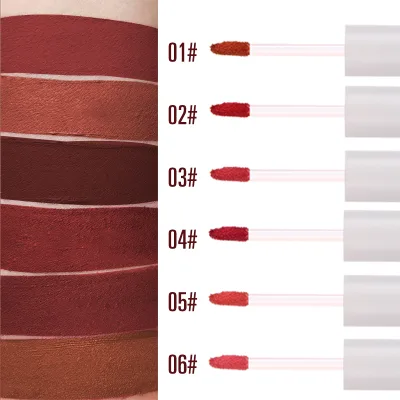
Volume and packaging specifications also play a role in the definition of the product. Standard capacities observed in the market include 5ml and 6ml units, with packaging options ranging from simple "Carton" packs to more premium "Gift Box Packing." The physical delivery mechanism is another specification to consider; "Hose Tube" designs are noted as a unique feature, offering a distinct application method compared to traditional wands or brushes. The color palette is highly flexible, with options for "Single-Color" or "Multi-Colored" selections, and the ability to customize colors to specific requirements. This variability means that a single search query for "matte moisturizing waterproof lip paste" may yield a wide array of products with different underlying compositions and physical attributes.
Compliance Framework and Certification Verification
Navigating the regulatory landscape is essential for any B2B procurement of cosmetic products, particularly those intended for lip application. The market data highlights several key certifications that serve as indicators of manufacturing quality and safety compliance. The most frequently observed certifications include GMPC (Good Manufacturing Practice for Cosmetics), ISO, MSDS (Material Safety Data Sheet), FDA, and GMP (Good Manufacturing Practice). These certifications suggest that the manufacturing facilities adhere to rigorous hygiene and safety protocols.
Specifically, the ISO 22716:2007(E) standard is explicitly mentioned in the context of cosmetic Good Manufacturing Practices. This standard provides guidelines for the production, control, storage, and shipment of cosmetic products, ensuring that the final product is safe for consumer use. For buyers, verifying that a supplier holds ISO 22716 certification is a critical step in mitigating risk. Additionally, the presence of FDA and GMP certifications indicates that the products may be manufactured in facilities that meet international regulatory expectations, although the specific jurisdiction of the FDA certification (e.g., US FDA vs. other regional bodies) should be clarified during supplier negotiations.
While some background information mentions CE certification, this should be treated with caution and verified directly with the supplier, as it is not a high-confidence fact in the provided dataset. The "Vegan" and "Cruelty Free" attributes are also significant for modern procurement strategies, appealing to ethically conscious markets. However, these claims require specific documentation to substantiate them, as they are not automatically guaranteed by the general manufacturing certifications. Buyers should request proof of these claims, such as cruelty-free organization certifications or ingredient lists that confirm the absence of animal-derived products. The "MSDS" is another crucial document that details the chemical composition and safety handling instructions, which is vital for logistics and regulatory compliance in importing countries.
Cost Drivers and Economic Considerations in Procurement
The economics of sourcing matte moisturizing lip pastes are influenced by a variety of factors, including formulation complexity, packaging choices, and order volume. The observed price range in the market spans from $0.28 to $2.50 USD per unit, a significant variance that reflects differences in ingredient quality, branding, and production scale. Lower price points often correlate with standard formulations using basic mineral or chemical ingredients, while higher price points may indicate the inclusion of herbal extracts, custom color matching, or premium packaging solutions like gift boxes.
Order Volume is a primary driver of unit cost. The Minimum Order Quantity (MOQ) ranges widely, from as low as 1 piece for sampling purposes to as high as 12,000 pieces for bulk production. This flexibility allows buyers to test the market with small quantities before committing to large-scale orders. However, the cost per unit typically decreases as the order volume increases, making it essential for buyers to calculate the optimal order size that balances cash flow with per-unit savings. The "Customization" feature, including private labeling and custom ingredients, often incurs additional costs, which should be factored into the total landed cost calculation.
Lead times and logistics also impact the overall cost structure. The observed delivery time for these products is typically 3 to 7 working days, which is relatively short and suggests efficient production cycles. However, this timeframe may vary based on the complexity of the customization and the current production load of the supplier. Buyers should also consider the origin of the products, with major manufacturing hubs identified in Zhejiang and Shenzhen, China. Shipping costs from these regions will depend on the destination, volume, and chosen freight method. The packaging type, whether simple cartons or elaborate gift boxes, will also affect shipping weight and volume, thereby influencing freight costs.
Typical Applications and Target Market Segmentation
The versatility of matte moisturizing waterproof lip pastes makes them suitable for a diverse range of applications and consumer segments. The primary use case is clearly identified as "Lips," with specific targeting towards "Women" and "Daily Makeup Lip Color." The product's ability to provide a "Matte" finish while maintaining "Moisturizer" properties addresses a common consumer pain point: the desire for a long-lasting, high-impact look without the dryness associated with traditional matte lipsticks.
The "Waterproof" and "Non-Fading" features make these products particularly suitable for active lifestyles, long-duration events, and humid climates. This functionality is highly valued in professional settings where touch-ups are not feasible, as well as in social scenarios where durability is key. The "Plumper Your Lips" benefit adds another layer of appeal, targeting consumers interested in enhancing lip volume without invasive procedures. This feature, combined with the "All Skin Types" suitability, broadens the potential market to include a wide demographic, from teenagers to mature consumers.
The customization options allow suppliers to tailor products for specific market niches. For instance, the "Fragrance" options, which include Vanilla, Strawberry, Fruit Scent, and Flower Scent, enable brands to create sensory experiences that align with their brand identity. The "Customized Ingredient" capability allows for the development of products that cater to specific consumer preferences, such as organic or vegan formulations. The "Hose Tube" design offers a unique application experience that can differentiate a product in a crowded market, appealing to consumers who value convenience and precision in application.
Supplier Evaluation and Selection Criteria
Selecting the right supplier is a critical step in ensuring the quality and reliability of the sourced products. Buyers should prioritize suppliers that demonstrate a comprehensive understanding of the product specifications and can provide clear documentation of their capabilities. The presence of OEM (Original Equipment Manufacturer) and ODM (Original Design Manufacturer) services is a strong indicator of a supplier's flexibility and ability to meet custom requirements. Suppliers offering "Private Label Service" and "Customer Logo Acceptable" options are essential for brands looking to establish a unique market presence.
The manufacturing location is another important factor. The data indicates that reputable suppliers are located in Zhejiang and Shenzhen, China, regions known for their robust cosmetic manufacturing infrastructure. Buyers should verify the specific location of the production facility to ensure it aligns with their logistical needs and quality expectations. The "Sample" acceptance policy is also a key criterion; suppliers that are willing to provide samples allow buyers to physically test the product's texture, finish, and performance before committing to a large order.
Transparency regarding certifications and standards is non-negotiable. Buyers should request copies of GMPC, ISO 22716:2007(E), MSDS, and GMP certificates to verify the supplier's compliance with international standards. The ability to provide detailed ingredient lists and confirm "Vegan" or "Cruelty Free" status is also crucial for brands with specific ethical standards. Finally, the supplier's responsiveness and communication style should be evaluated, as these factors will influence the smoothness of the procurement process and the ability to resolve any issues that may arise during production or delivery.
Quality Control Protocols and Long-Term Procurement Strategy
Implementing a robust quality control (QC) protocol is essential for maintaining product consistency and brand reputation. Buyers should establish clear acceptance criteria based on the observed product attributes, such as the "Waterproof" performance, "Non-Sticky" texture, and "Glossy & Matte" finish. Regular testing of samples against these criteria is necessary to ensure that the mass-produced units meet the same standards. The "Effect" of the product, including its ability to moisturize and remain non-fading, should be validated through both laboratory testing and real-world usage trials.
Long-term procurement strategies should focus on building a sustainable relationship with reliable suppliers. This involves negotiating favorable terms for volume discounts, ensuring consistent lead times, and establishing clear communication channels for addressing any quality issues. The "Customization" aspect of the product allows for continuous innovation, enabling buyers to adapt their product offerings to changing market trends and consumer preferences. By maintaining a flexible approach to formulation and packaging, buyers can stay competitive in the dynamic cosmetics market.
Furthermore, buyers should consider the environmental and ethical implications of their sourcing decisions. The availability of "Vegan" and "Cruelty Free" options aligns with growing consumer demand for sustainable and ethical products. Incorporating these attributes into the product line can enhance brand value and appeal to a broader audience. Finally, maintaining a buffer stock of critical components or finished goods can help mitigate supply chain disruptions, ensuring that the business can continue to meet customer demand even in the face of unforeseen challenges.
Comparative Analysis of Product Attributes
To facilitate a clearer understanding of the available options, the following table summarizes the key attributes observed in the market for matte moisturizing waterproof lip pastes. This comparison highlights the variability in specifications, certifications, and features that buyers should consider during the sourcing process.
| Attribute Category | Observed Variations | Key Considerations for Buyers |
|---|---|---|
| Form & Finish | Liquid, Matte & Glossy, Hose Tube, Glossy & Matte | Verify the specific finish (matte vs. glossy) and application method (tube vs. wand). |
| Main Ingredients | Mineral, Herbal, Chemical, Customized | Confirm ingredient lists for allergens, vegan status, and specific performance claims. |
| Certifications | GMPC, ISO 22716:2007(E), MSDS, FDA, GMP | Request valid certificates; verify ISO 22716 for manufacturing quality. |
| Volume & Packaging | 5ml, 6ml, Carton, Gift Box Packing | Assess packaging for shipping efficiency and brand presentation. |
| Customization | Colors, Fragrance, Logo, Ingredients, Private Label | Define requirements early; confirm MOQ and lead time for custom orders. |
| Performance | Waterproof, Non-Sticky, Moisturizer, Non-Fading | Test samples for durability and comfort under intended use conditions. |
| Origin | Zhejiang, China; Shenzhen, China | Evaluate logistics costs and lead times based on specific factory locations. |
| MOQ Range | 1 to 12,000 Pieces | Balance sample testing needs with bulk order economics. |
This comparative analysis underscores the importance of a detailed and data-driven approach to sourcing. By carefully evaluating each attribute against specific business needs, buyers can identify suppliers and products that offer the best value and alignment with their strategic goals. The flexibility of the market allows for a wide range of solutions, but success depends on rigorous verification and clear communication throughout the procurement process.
FAQs
What certifications do these lip pastes hold?
These products hold GMPC, ISO, MSDS, FDA, and GMP certifications. Specific models comply with ISO 22716:2007(E) standards for cosmetic manufacturing. Buyers should verify these documents to ensure safety and quality compliance before placing orders.
Can I customize the color and packaging?
Yes, customization is available for colors, packaging, and ingredients. Buyers can choose from single or multi-colored options and request custom logos. Packaging ranges from standard cartons to gift boxes, allowing for tailored branding solutions.
What is the minimum order quantity for these items?
The minimum order quantity ranges from 1 to 12,000 pieces depending on the supplier and product model. Some specific listings start at 50 pieces, while sampling options may allow for single unit orders. Bulk pricing typically improves with higher volumes.
How long does delivery take for these lip products?
Delivery time is typically 3 to 7 working days for standard orders. This lead time may vary based on customization requirements and current production capacity. Buyers should confirm specific timelines with the manufacturer before finalizing the purchase agreement.
What are the main ingredients used in these formulas?
Main ingredients include mineral, herbal, and chemical components, with options for customized formulations. Some products are marketed as vegan and cruelty-free. The specific blend varies by model, often designed to provide moisturizing and waterproof effects.
Where are these lip pastes manufactured?
Products are manufactured in Zhejiang and Shenzhen, China. These regions are known for robust cosmetic production infrastructure. Buyers should verify the specific factory location to ensure alignment with their logistical and quality expectations.
What volume sizes are available for these lip glosses?
Standard volumes include 5ml and 6ml units. Specific models like LG441 and LG170 offer these capacities. Packaging options vary from simple cartons to gift boxes, accommodating different retail and promotional needs.